Collision Prevention for Mobile Systems
Mobile robots like AGVs and AMRs are transforming modern warehouses. But with transformation comes risk. As transport becomes autonomous, it's not just machinery that needs safeguarding, but people, infrastructure, and processes need to be protected. Axelent’s safety solutions are designed for dynamic environments where humans and robots move side by side.
Autonomous and guided vehicles are changing how warehouses operate. But smarter movement requires smarter safety solutions. While AGVs and AMRs are equipped with sensors and safety features, those alone aren’t enough in dynamic, shared spaces. People, machines and unpredictable obstacles demand a layered approach to safety.
Typical risk scenarios:
- Shared spaces without clear separation
- Unclear emergency exits or blocked escape paths
- False sense of security due to sensors
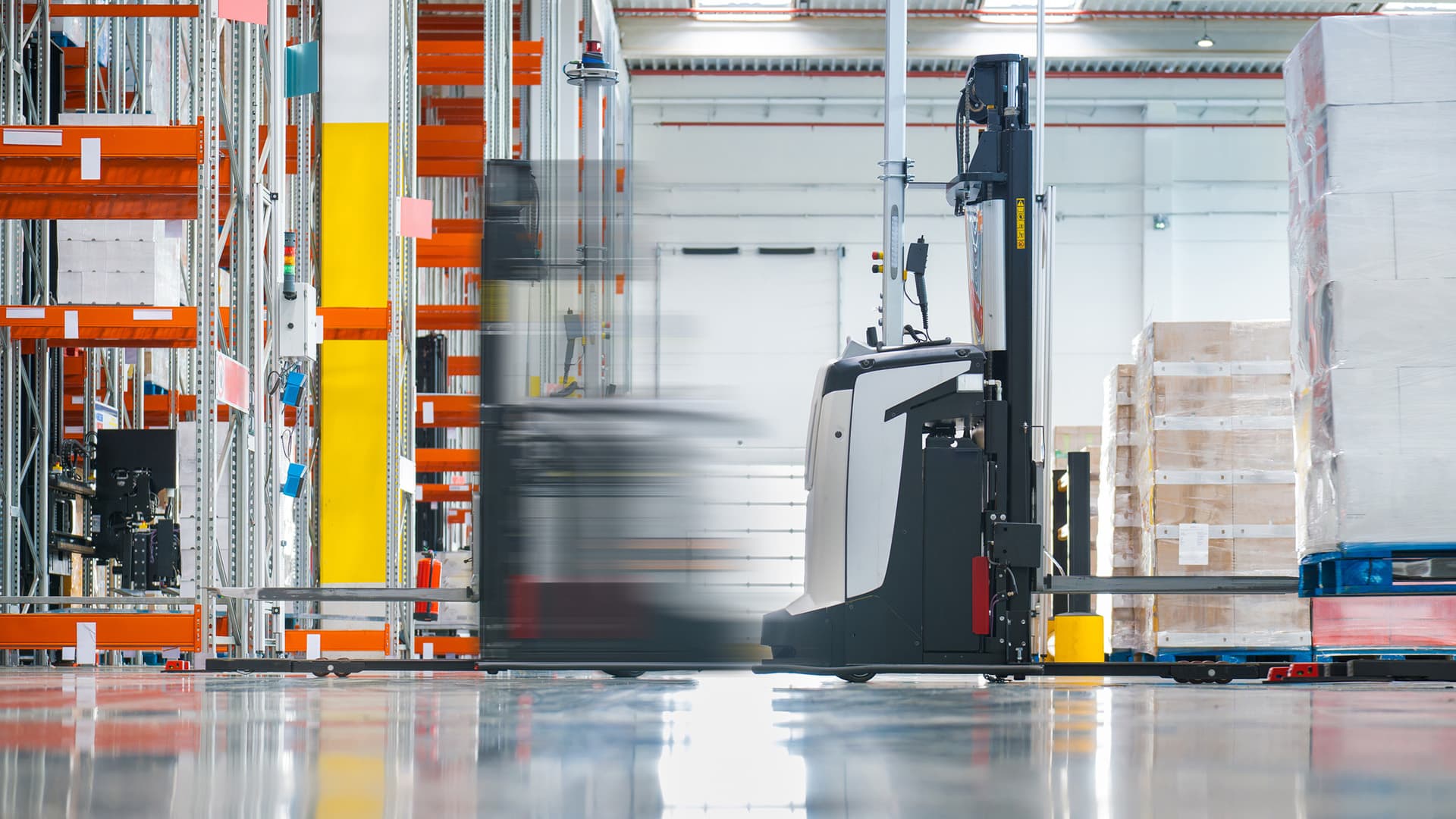
AGV
Automated Guided Vehicles (AGVs) follow fixed routes but that doesn’t mean the risks are fixed. Even in controlled flows, people, manual trucks, and unexpected obstacles can interfere with safety. Learn how to design clear, protected paths that reduce downtime and support compliance from the very first layout.
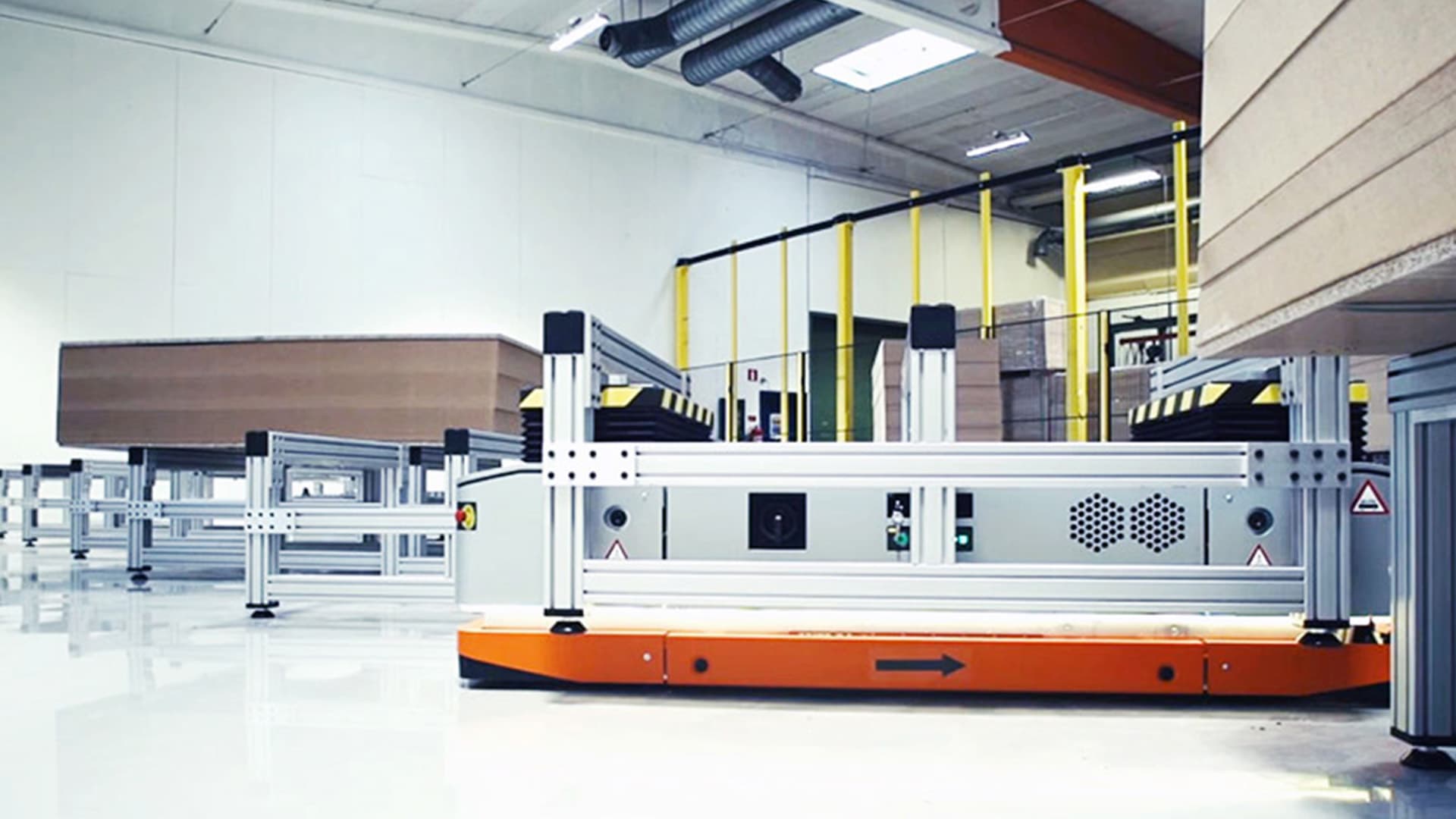
AMR
Autonomous Mobile Robots (AMRs) bring flexibility and intelligence to warehouse logistics, but they also operate in constantly changing environments. Without proper zoning and planning, this agility can create unpredictable risks. Discover how to protect people and performance while letting your AMRs do what they do best, adapt.
Safe movement for people and mobile robots
From guided routes to self-learning robots, mobile automation spans a range of systems. Yet the challenge is the same, keep people safe while keeping the process running.
Key elements of safe AGV and AMR logistics:
- Define and separate zones for humans and robots with intuitive layouts
- Plan escape routes and emergency access around AMR/AGV paths
- Guide vehicle traffic through smart visual and physical barriers
- Prevent collisions through structured routing and smart zoning
- Protect assets and flow with floor-level and structural barriers
- Ensure compliance with ISO 3691-4 and ANSI/RIA R15.08-1/-2 from day one
Smart safety for mobile robots
Our safety solutions complement built-in robot technology with physical safeguards, smart zoning and clear emergency planning. This helps you protect people, ensure compliance and keep your operations running smoothly. Whether your mobile robots follow fixed tracks or navigate freely, we help you create structured, adaptable and compliant protection that evolves with your layout.
Our modular safety systems support you with:
- Smart zoning for human–machine interaction
- Safeguarding for docking areas, workstations and escape routes
- Scalable solutions that evolve with your layout

Achieving safety in mobile automation
To ensure safe operation in environments with mobile robots, Axelent provides smart safeguards that protect people without disrupting flow. We combine physical protection with smart zoning, using guard fencing, visual guides and awareness barriers to control how AGVs and AMRs move through shared spaces.
For high-risk areas like docking or transfer zones, we safeguard the perimeter while maintaining accessibility and emergency escape routes. All solutions comply with ISO 3691-4 and ANSI/RIA R15.08-1/-2, helping you achieve both safety and seamless operation from day one.

Get in touch with us
Any questions about warehouse automation safety? Do you want to discuss your project or get tailored advice? Our safety specialists are here to guide you every step of the way. Axelent helps you create safety that works in sync with your robotics. Send us your layout and we’ll help you design a solution that protects your people without slowing down the process.


