Warehouse Automation Safety
Warehouse Automation: Building Safer Environments

Warehouse automation continues to transform industrial and logistics operations. As AGVs and AMRs become a larger part of everyday operations, the market around them is also evolving.
Insights from AGV Network's 2026 Mobile Robot Market Sentiment report, based on responses from 368 AGV/AMR professionals worldwide, point to continued growth, but also more measured expectations. 54% expect moderate growth in 2026 and 12% anticipate strong growth.
At the same time, the challenges are shifting. Integration, cost, long-term value and the ability to adapt automation to real operational needs are becoming increasingly important considerations. This makes it important to look beyond the technology itself and consider how it fits into the wider operation.
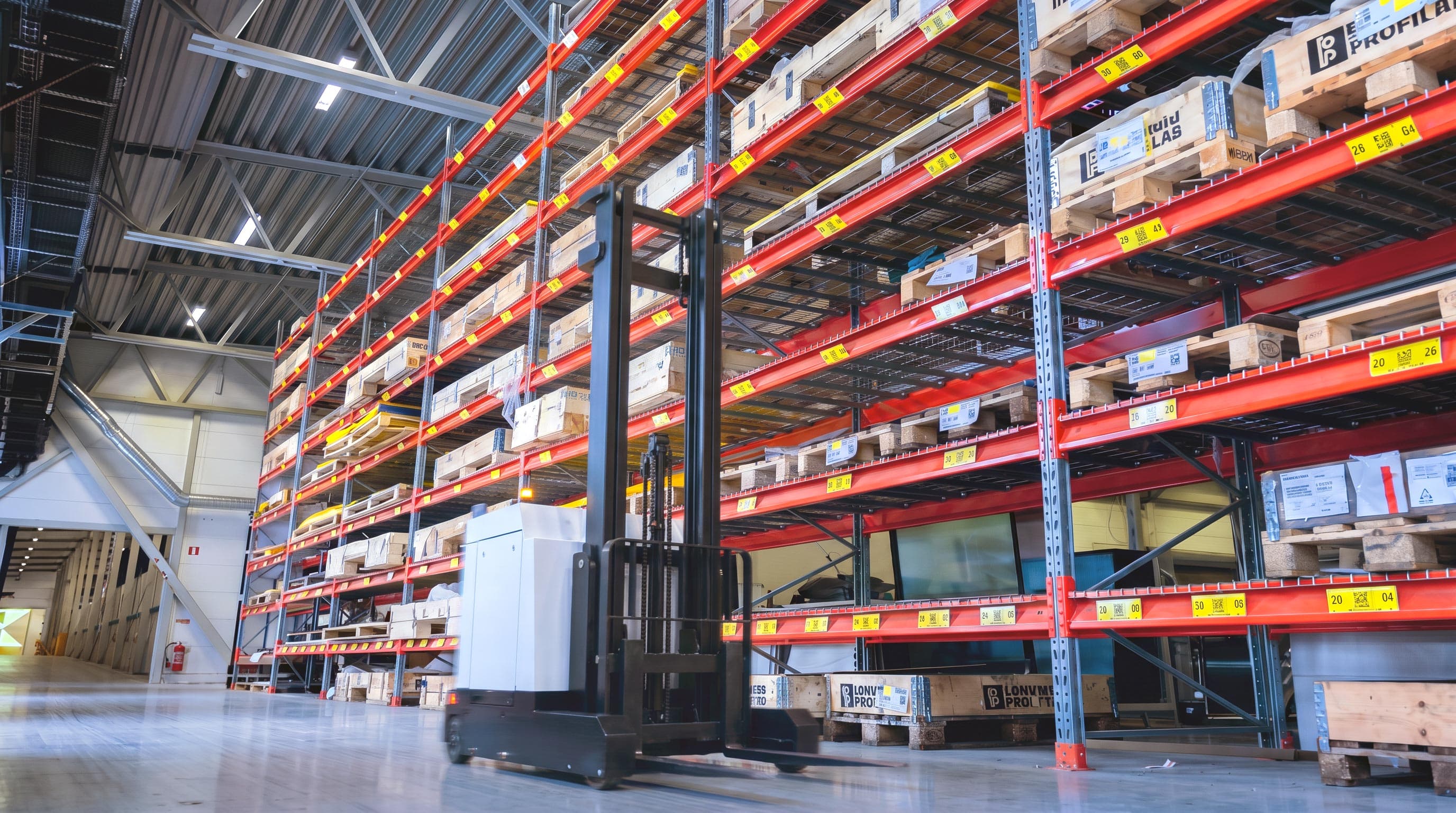
Automation changes the environment
Introducing AGVs and AMRs affects more than how materials move through a facility. Traffic flows change, access requirements shift and new interactions between people, machines and mobile robots emerge.
The report also highlights the importance of system integration. When respondents were asked about the biggest technical limitation in AGV/AMR deployments, 45.9% pointed to system integration, making it the most common response. This makes system integration a key consideration when introducing AGVs and AMRs into existing operations.
For businesses introducing mobile robots, this means looking beyond the vehicle itself. The surrounding environment, existing equipment, access points and movement of people all need to be considered as part of the implementation. Physical separation, impact protection and safe access can all help reduce risks around automated traffic flows.
Safety should therefore not be treated as a separate component added later in the process. It needs to be considered from the beginning and integrated into the overall design of the operation. A risk assessment is an important part of this process, helping to identify potential hazards and determine the safety measures needed for the specific environment.
Long-term value requires long-term thinking
As expectations around AGV and AMR investments become more measured, the business case is becoming increasingly important. The initial investment is only one part of the equation. Reliability, integration and support all influence the value an automation solution can deliver over time. The system also needs to adapt as operational needs change.
For businesses investing in mobile robots, this means looking beyond immediate performance. A solution that works today also needs to support changing workflows, new technologies and future expansion without creating unnecessary disruption.
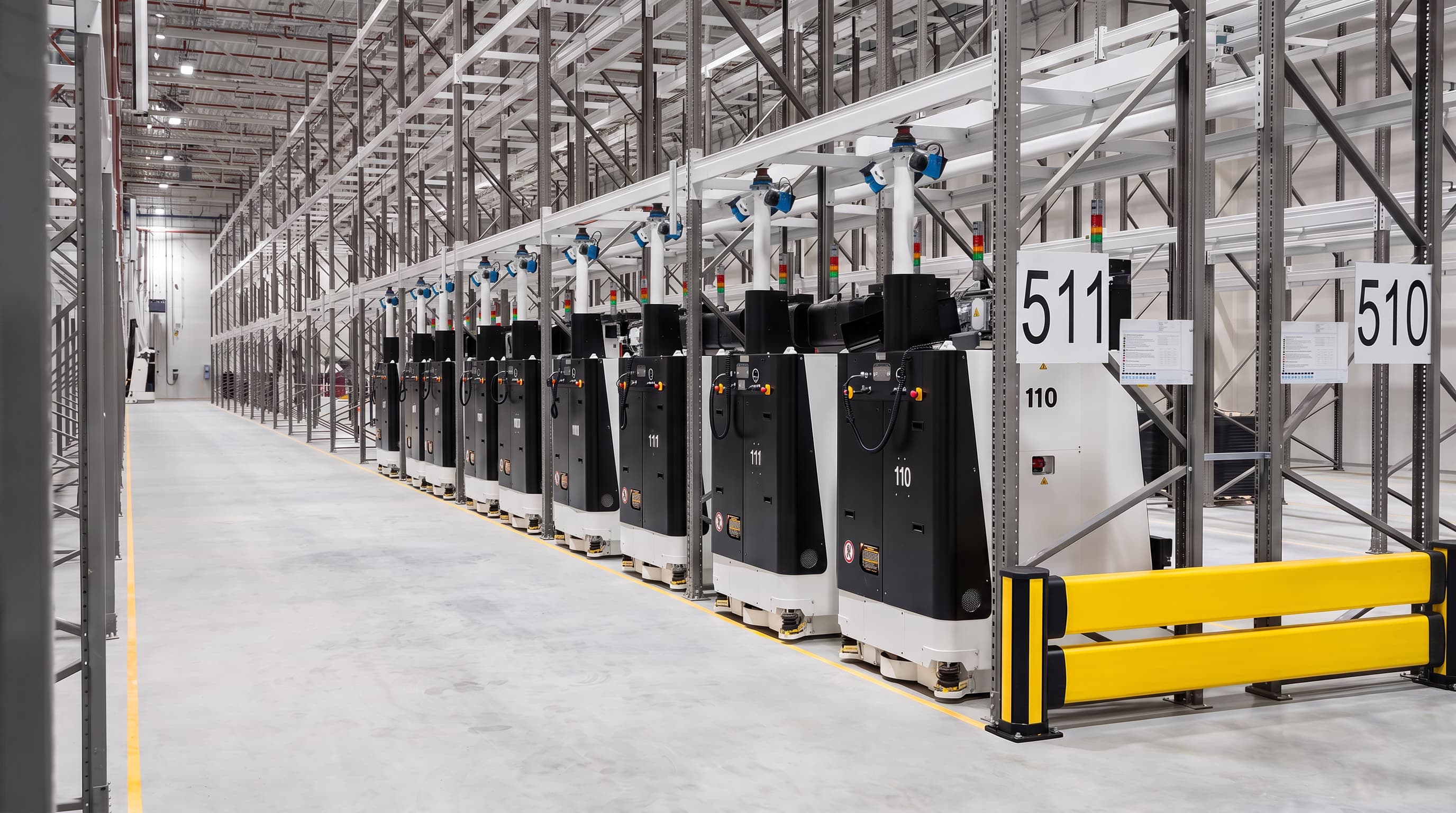
Building safer environments for automation
At Axelent, we help businesses create safer warehouse automation environments by combining Machine Guarding, Impact Protection, access solutions and risk prevention expertise.
Machine Guarding can help separate people from machinery and hazardous areas, while Impact Protection can help protect people, equipment and infrastructure in areas where mobile robots and other vehicles operate. Together with safe access and clearly defined zones, these solutions help create a safer environment around automated material flows.
Whether you're planning a new automated facility or adapting an existing operation, our modular solutions are designed to support changing layouts, traffic flows and safety needs.
Related articles

Safety that keeps the flow running in automated cold storage
In Kuurne, Belgium, Coldo operates a highly automated freezer warehouse reaching nearly fifty metres in height. For Ceratec, responsible for delivering the automation solution, the challenge was clear: how to ensure safety, accessibility and maintenance without interrupting the flow. In this customer case, we explore how safe access, zone separation and modular safety solutions make it possible to carry out maintenance without shutting down the system.

Column Protectors for Warehouses: Shield your building from forklift damage
Forklift impacts rarely stop at the point of contact. A damaged column, cracked wall or frequently hit corner can lead to repairs, downtime and long-term structural wear across the facility. Column protectors for warehouses reduce that risk by protecting the structural assets exposed to daily vehicle traffic.

Pallet Racking Protection: Prevent forklift damage to uprights and aisle ends
Every forklift impact against a rack upright creates damage that spreads beyond the point of contact. One bent upright lead to inspections, repairs, downtime and reduced load-bearing integrity. Repeated impacts shorten the lifespan of the entire racking system. Pallet racking protection reduces that risk by protecting the areas where collisions happen most often: uprights, aisle ends and exposed traffic zones.

Warehouse Barrier Systems: Choose the Right Protection for Every Zone
Every unprotected zone in a warehouse is a problem that hasn't happened yet. This guide helps you choose the right barrier system for each area in your facility, from high-traffic forklift routes to loading docks and pedestrian crossings.

What Are the Different Types of Machine Guards?
Machine guards are physical barriers designed to protect workers from machinery or industrial processes. This guide will help you determine what type of machine guard is best for every application.

Axelent enhances safety at NMBS workshops
We’re proud to highlight our collaboration with NMBS, Belgium’s national railway operator. They manage the extensive rail network and transport services in Belgium. Over the years, Axelent has worked closely with NMBS to enhance the safety of their workshops, providing high-quality, customized solutions tailored to their specific operational needs.