Knowledge
What is the Purpose of Machine Guarding? Exploring the Benefits of Effective Safety Solutions

In industrial settings, machinery plays a vital role in driving productivity. However, machines also pose inherent risks–dangerous moving parts, electrical hazards, ejected debris, and more. Machine safeguarding is the safety practice of strategically shielding these danger zones to protect workers.
The purpose of machine guarding is multifaceted: preventing injuries, ensuring regulatory compliance, and promoting a safer, more efficient work environment.

Types of Machine Guarding
Machine guarding solutions vary based on the specific hazards and operation of the machinery. Here are the main types:
- Fixed guards: Permanently secured barriers that require specialized tools for removal. Ideal for fully enclosed hazards.
- Adjustable spacers: Offer flexibility to handle different material sizes while maintaining a secure barrier.
- Interlocked doors: Connected to the machine's power, these automatically stop operation when the guard is opened or removed.
- Cutting kits: These are kits that allow you to cut a standard machine guard panel to your required size on site.
Implementing the appropriate type of machine guard for each specific application is essential for ensuring optimal safety in the workplace.
For more information, check out our blog on understanding the different types of machine guards.
Purposes and Benefits of Machine Guarding
Preventing access to dangerous moving parts
Guards create a physical barrier, minimizing the risk of workers being caught in rotating parts, gears, or other moving components that could cause serious injuries.
Protecting workers from hazards
Guards shield workers from flying debris, sparks, excessive noise, and extreme temperatures, reducing the risk of eye injuries, burns, and hearing loss. A workplace where workers feel protected improves morale, job satisfaction, and a greater sense of trust.
Ensuring compliance with safety regulations and standards
Proper machine guarding helps organizations meet the requirements set by OSHA (Occupational Safety and Health Administration) and other regulatory bodies.
Improved productivity and efficiency
Fewer accidents translate into less downtime, allowing for uninterrupted production flow and higher overall efficiency.
Lower costs associated with accidents and downtime
Effective machine guarding reduces the significant financial costs associated with workplace injuries, workers' compensation claims, and lost productivity.
Hazards Addressed by Machine Guarding
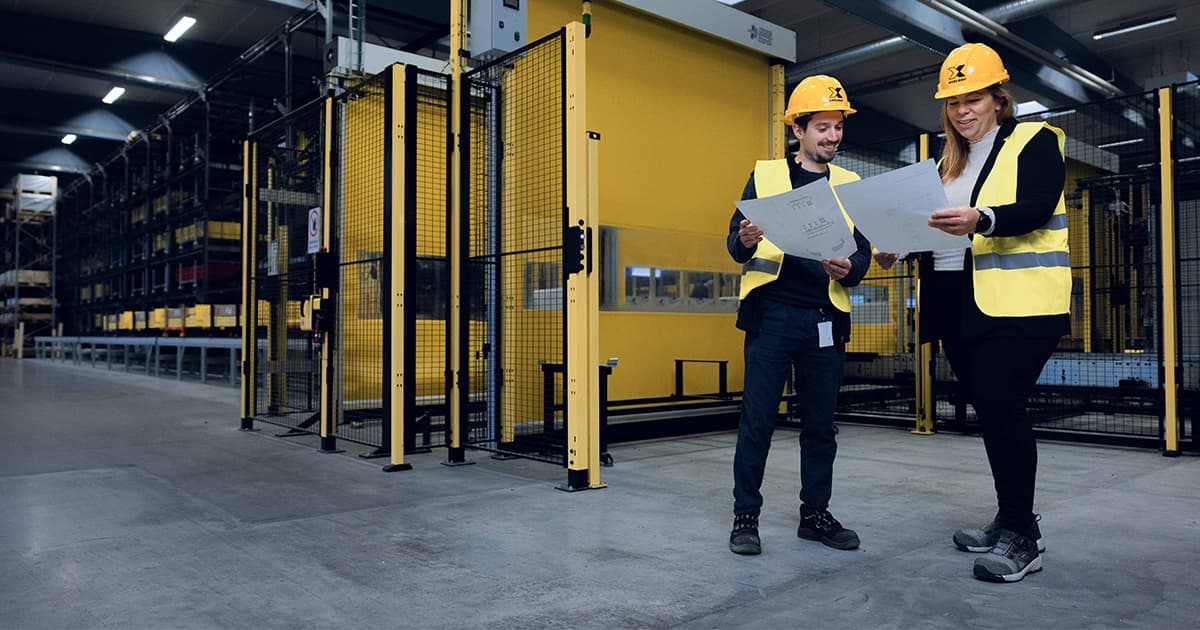
Machine guarding is designed to address a wide range of hazards associated with industrial machinery:
- Mechanical hazards: These include crushing, shearing, cutting, and entanglement risks posed by moving parts such as gears, sprockets, and chains, which can be particularly dangerous when workers wear loose clothing.
- Electrical hazards: Guards can protect workers from electrical shock and electrocution by preventing access to live electrical components.
- Thermal hazards: Hot surfaces and materials can cause severe burns, and machine guards help shield workers from these hazards.
- Ergonomic hazards: Repetitive motions and awkward postures required to operate machinery can cause musculoskeletal disorders, and guards can be designed to promote better ergonomics.
Appropriate safeguarding methods and well-designed machine safeguards are essential for addressing these diverse hazards and protecting workers from the potential dangers associated with industrial machinery.
To maximize the effectiveness of machine guarding, it is essential to follow these best practices:
- Design machine guards specific to each application, considering factors such as machine type, operation, and maintenance requirements.
- Integrate machine guarding into the overall industrial safety program, ensuring it aligns with other safety measures and protocols.
- Implement secondary safeguarding methods, such as two-hand controls, pressure-sensitive mats, and light curtains, to provide additional layers of protection and reduce the risk of accidents.
- Encourage worker participation and feedback in developing and implementing machine guarding solutions to foster a strong safety culture.
- Stay up-to-date with the latest safety technologies and regulations and continuously evaluate and improve machine guarding practices.
Adhering to these best practices helps ensure that machine guarding solutions are effective, reliable, and well-integrated into the overall safety program.
Frequently Asked Questions
Related articles

Forklift Pedestrian Safety: How to Plan Safer Traffic Flow
Forklift pedestrian safety starts with how traffic is planned inside the facility. A clear warehouse traffic safety plan can support forklift accident prevention by reducing unclear routes, unsafe crossings and mixed movement between people and vehicles. We look at how to plan safer warehouse traffic flow, from speed limits and floor markings to physical barriers and changing traffic patterns.

Pallet Racking Protection: Prevent forklift damage to uprights and aisle ends
Every forklift impact against a rack upright creates damage that spreads beyond the point of contact. One bent upright lead to inspections, repairs, downtime and reduced load-bearing integrity. Repeated impacts shorten the lifespan of the entire racking system. Pallet racking protection reduces that risk by protecting the areas where collisions happen most often: uprights, aisle ends and exposed traffic zones.

Warehouse Barrier Systems: Choose the Right Protection for Every Zone
Every unprotected zone in a warehouse is a problem that hasn't happened yet. This guide helps you choose the right barrier system for each area in your facility, from high-traffic forklift routes to loading docks and pedestrian crossings.

How to build a strong workplace safety culture
A strong safety culture is essential for organisations that want to reduce risk, protect people and support long-term performance. But building a safety culture in the workplace requires more than policies and procedures. It requires leadership, open communication and continuous improvement.

Axelent and ABB: A Partner Every Step of the Way
Safety solutions enabling safe machine operations and forklift traffic in ABB Robotics training facility.

Forklift Accident Statistics & How to Prevent Them
An in depth look at forklift accident statistics in the UK and other countries, before explaining forklift safety tips and what you can do to prevent these accidents from happening.